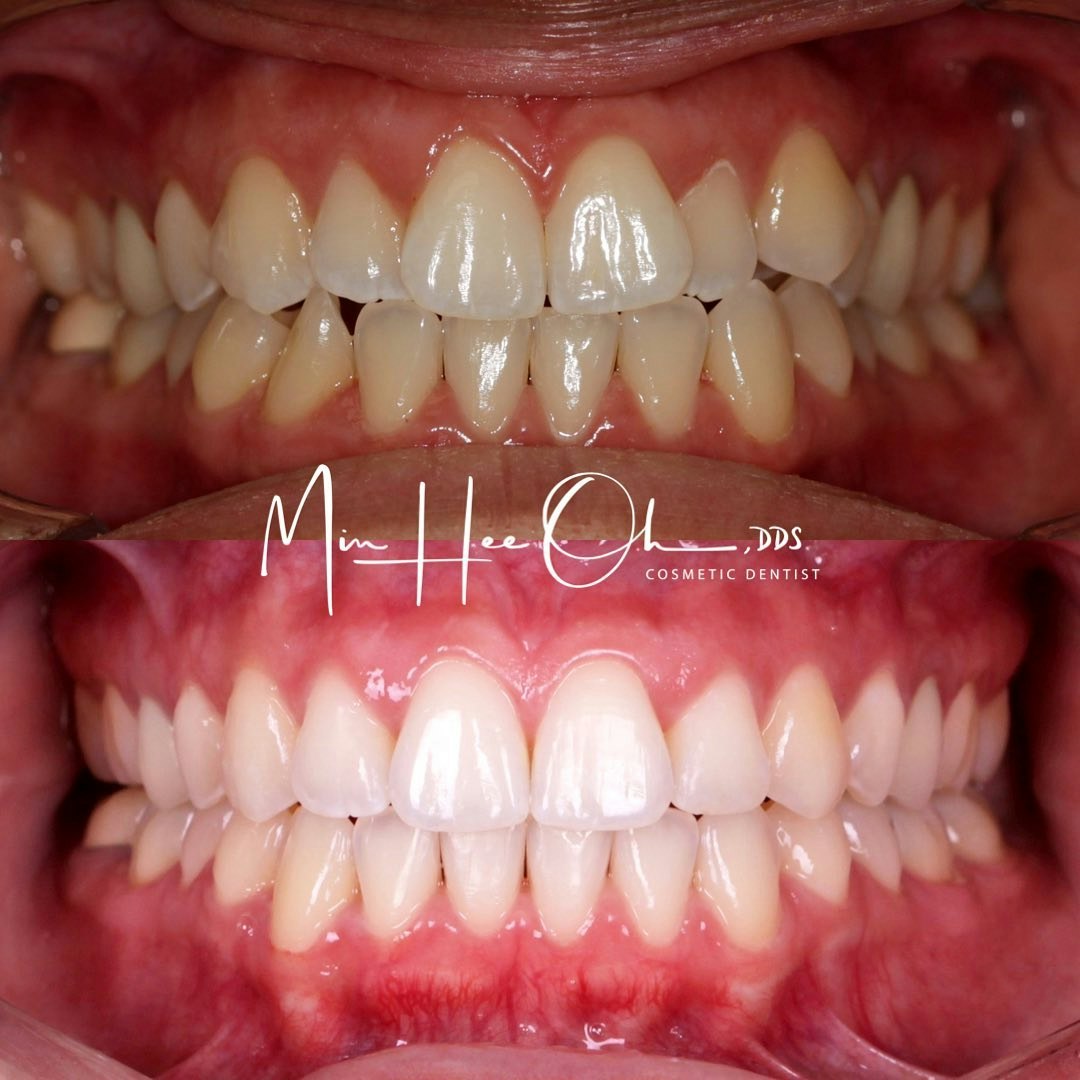
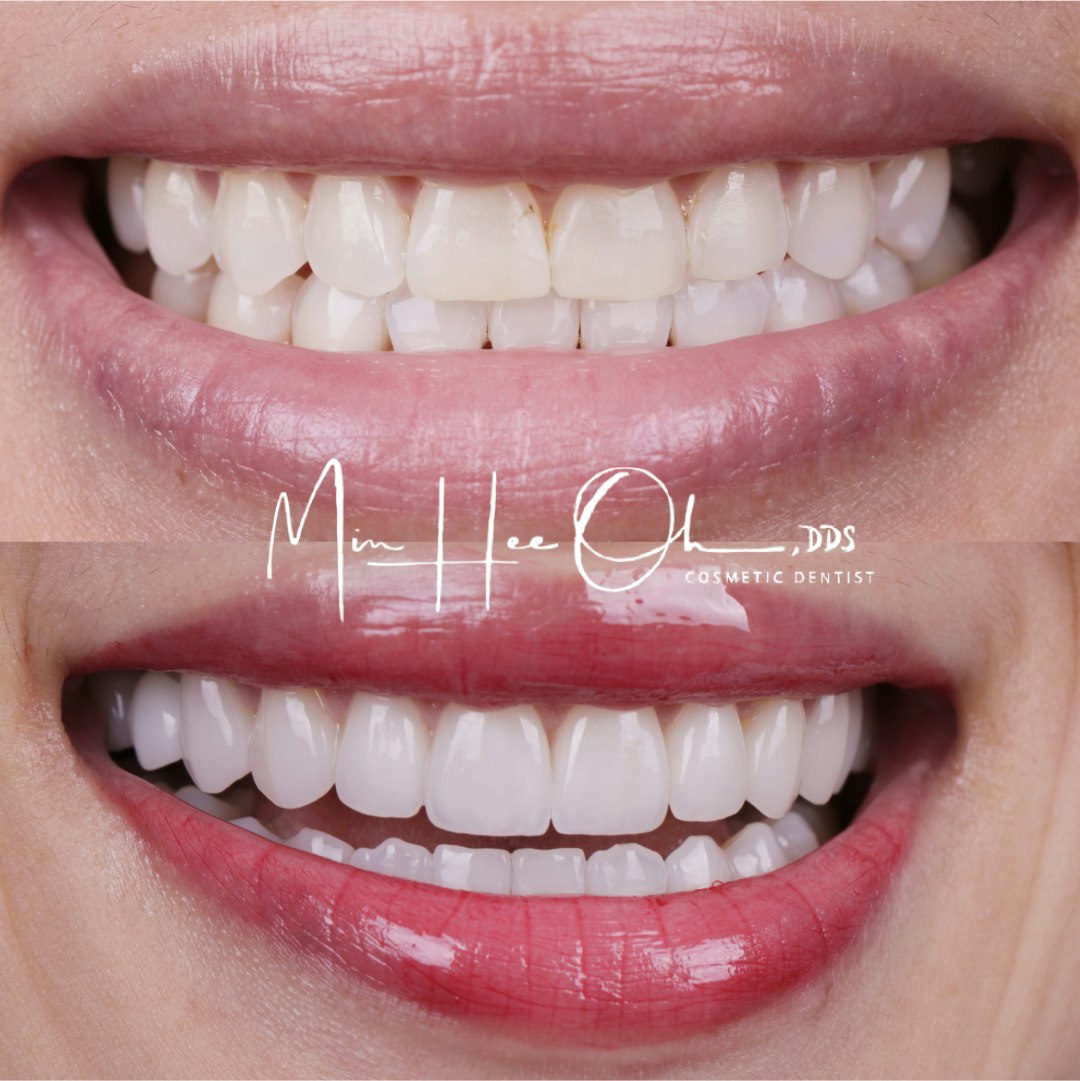
It is the first question almost every veneer consultation begins with — and it deserves a straight answer. On average, porcelain veneers last 10 to 15 years. In our practice, veneers that were planned around a healthy bite and cared for consistently often pass the 20-year mark still looking beautiful.
But averages hide the real story. Two patients can receive veneers the same week and have completely different outcomes a decade later. The difference is rarely luck. It comes down to four factors — and three of them are within your control.
1. Design quality: lifespan is decided before delivery
The most important predictor of veneer longevity is something you cannot see in a mirror: how the veneer meets your bite. Porcelain is remarkably strong under compression, but brittle under shear and edge-to-edge collision. A veneer placed on a tooth that takes uneven force will eventually chip — no matter how carefully you brush.
This is why we begin every veneer case with facial analysis and bite study, not shade selection. Minimal- and no-prep techniques also preserve more natural enamel, and enamel is the strongest surface porcelain can bond to. More preserved enamel means a stronger, longer-lasting bond.
A veneer does not fail in year twelve. It fails on the day it was designed without respect for the bite — it just takes twelve years to show you. Dr. Min Hee Oh
2. Your habits: the daily deposits and withdrawals
Think of your veneers as a long-term account. Every habit is either a deposit or a withdrawal:
- Night grinding (bruxism) is the single most destructive force. Many people grind without knowing it. If you wake with a tight jaw or your partner hears it, tell us — a custom night guard typically costs a small fraction of a single veneer.
- Teeth as tools — opening packages, biting nails, chewing ice or pen caps — creates exactly the kind of point pressure porcelain dislikes.
- Hard foods are fine in moderation; the goal is avoiding direct edge impact, like biting a fork or an olive pit.
3. Maintenance: veneers do not get cavities — teeth do
Porcelain itself cannot decay. But the natural tooth underneath and the fine margin where veneer meets enamel absolutely can. Gum recession or decay at the margin is a common reason otherwise perfect veneers need replacement.
The routine is refreshingly ordinary: brush twice daily with a non-abrasive fluoride toothpaste, floss along the gumline, and keep professional cleanings every six months. During those visits we also polish the margins and check the bite — small adjustments that quietly add years of life.
4. What about staining and color change?
Good news: glazed porcelain is more stain-resistant than your natural enamel. Coffee, red wine, and tea will not yellow the veneer surface the way they do natural teeth. Over many years, the cement line at the margins can pick up slight staining, which professional cleaning manages well. One planning note — because porcelain does not whiten, we recommend whitening your natural teeth before veneers so everything is matched to your brightest shade.
When a veneer does fail, what happens?
Failures fall into three categories, and none of them are emergencies when the underlying tooth is healthy:
| What happened | Typical fix |
|---|---|
| Debonding — veneer comes off intact | Usually re-cemented the same visit |
| Small chip at an edge | Often polished or repaired with bonding |
| Fracture through the porcelain | Replacement of that single veneer |
Because Dr. Oh keeps records of every case — shade formulas, bite data, and design files — a replacement veneer can be matched precisely to its neighbors, even years later.
The honest bottom line
Ten to fifteen years is the honest average, but it is not a ceiling. Veneers designed around your bite, bonded to preserved enamel, protected at night, and maintained twice a year routinely outlive the estimate. If you are weighing veneers, the best first step is a consultation where we study your bite and show you — before any preparation — what your result could look like.